



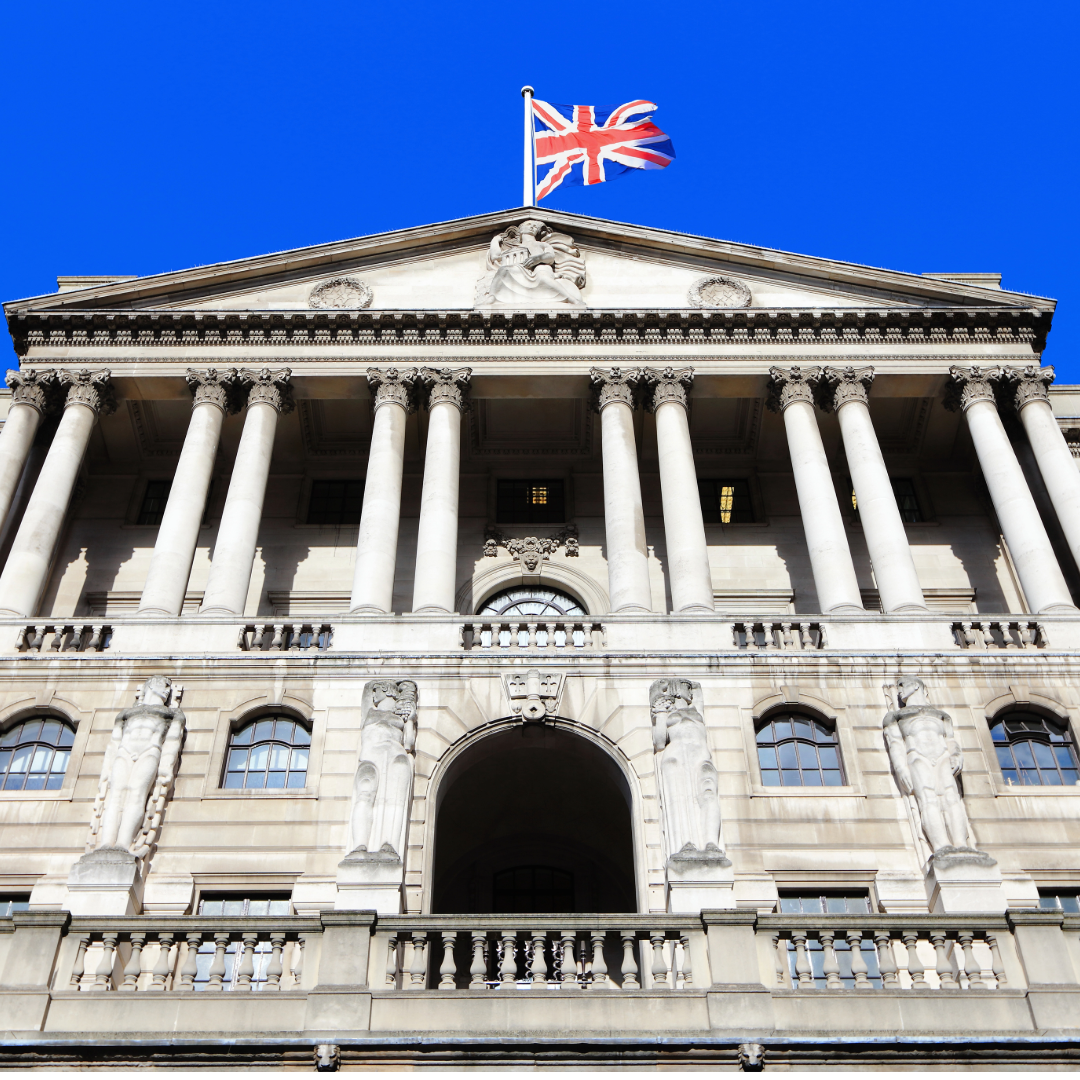
Bank of England Holds Interest Rates: What Does It Mean for Your Finances?
The Bank of England has decided to keep interest rates unchanged at 3.75%.
However, the decision comes amid concerns about rising inflation and the possibility of further rate increases.
For households, this creates uncertainty. Mortgage costs, savings returns and investment markets can all be affected by changes in interest rates. So, what does the latest decision mean for your finances?
Why has the Bank of England held interest rates?
The Bank of England’s Monetary Policy Committee (MPC) voted 6–3 to keep interest rates at 3.75% in September 2026. Three members favoured an increase to 4%.
Rising energy prices, partly driven by the conflict in the Middle East, have added to inflationary pressures. UK inflation reached 3.1% in August, above the Bank’s 2% target.
The Bank is concerned that higher energy costs could feed through into other prices and wages. However, it is also considering the effect of higher borrowing costs on households and businesses.
Holding rates gives the Bank more time to assess how the situation develops. However, further increases remain possible if inflationary pressures persist.
What does this mean for mortgage holders?
For homeowners, unchanged interest rates don’t necessarily mean mortgage rates will stay the same.
Mortgage lenders consider several factors when setting their rates, including expectations about future interest rates and the cost of borrowing on financial markets.
As a result, some mortgage rates have already increased despite the Bank holding its rate.
This could affect homeowners approaching the end of a fixed-rate deal, as well as those looking to buy a property.
If your existing mortgage deal is due to expire, reviewing your options early may be worthwhile.
Comparing the overall cost of different deals, including fees and potential early repayment charges, can help you understand your choices.
Those already on fixed-rate mortgages won’t normally see their monthly payments change during the fixed period.
Read more about the base rate and mortgage holders
What about savers?
For savers, unchanged interest rates may offer some stability. However, savings providers don’t have to keep their rates in line with the Bank’s rate.
Some accounts may continue to offer attractive returns, while others could see rates change as providers respond to market conditions.
It’s worth reviewing your savings regularly, particularly if you have money sitting in an easy-access account that pays relatively little interest.
Inflation is another important consideration. If the interest earned on your savings is lower than inflation, your money’s purchasing power can gradually decline.
Cash ISAs may also be worth considering, depending on your circumstances and tax position.
How could it affect pensions and investments?
Interest rate decisions can influence investment markets, although their effects aren’t always straightforward.
Higher interest rates can make savings and fixed-interest investments more attractive. However, they can also increase borrowing costs for businesses and affect company profits and share prices.
For pension investors, short-term market movements can be unsettling, particularly if retirement is approaching. However, reacting hastily to economic news can add risk.
Those approaching retirement may wish to review their pension investments, withdrawal plans and expected income requirements.
The appropriate approach will depend on their circumstances, financial objectives and attitude to risk.
What happens next?
The Bank of England’s next interest rate decision is scheduled for 5 November 2026.
The MPC will continue to assess inflation, economic growth, employment and developments in energy prices before making its decision. Although further increases are possible, the timing and scale of any changes remain uncertain.
For households, this means avoiding assumptions about where interest rates will go next.
Should you review your finances?
An unchanged Bank Rate doesn’t mean you should automatically change your finances. However, it can be a useful opportunity to review your existing arrangements.
Whether you’re considering a mortgage, reviewing your savings or approaching retirement, understanding how interest rates could affect your plans is important.
Rather than reacting to every economic announcement, focus on your longer-term financial objectives and ensure your plans remain appropriate for your circumstances.
If you’re unsure how changing interest rates could affect your financial plans, speaking to an independent financial adviser may help you understand the options available.
This article is for information purposes only and does not constitute financial advice. Tax treatment depends on individual circumstances and may change in future. Investments can fall as well as rise in value, and you may get back less than you invest
